
 View Photos
 Watch Film
 360° VTour
 Open House
Menu
Laurus Luxury Real Estate
Presented At
€6,108,448
Living
108
SQM














































































Montepulciano
Italy
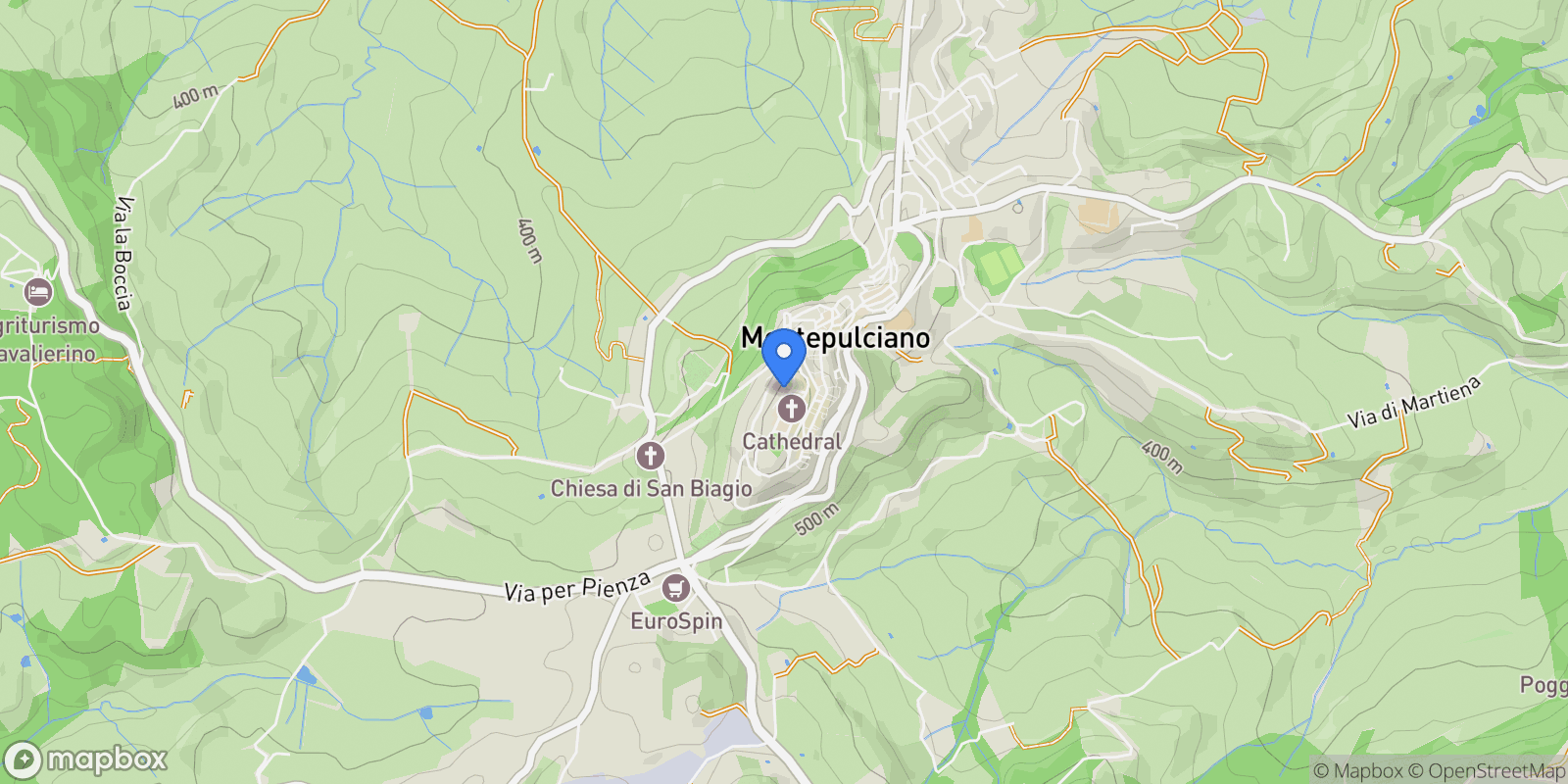
Montepulciano, Tuscany, Italy. , Montepulciano , Tuscany
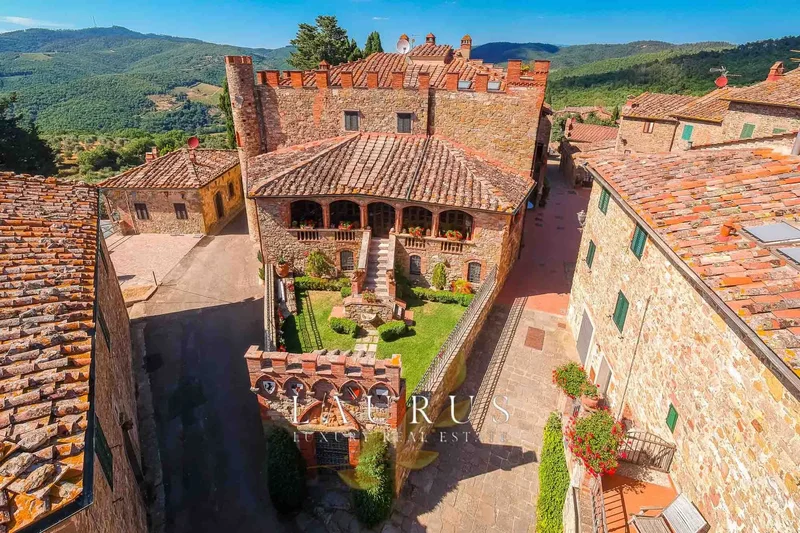
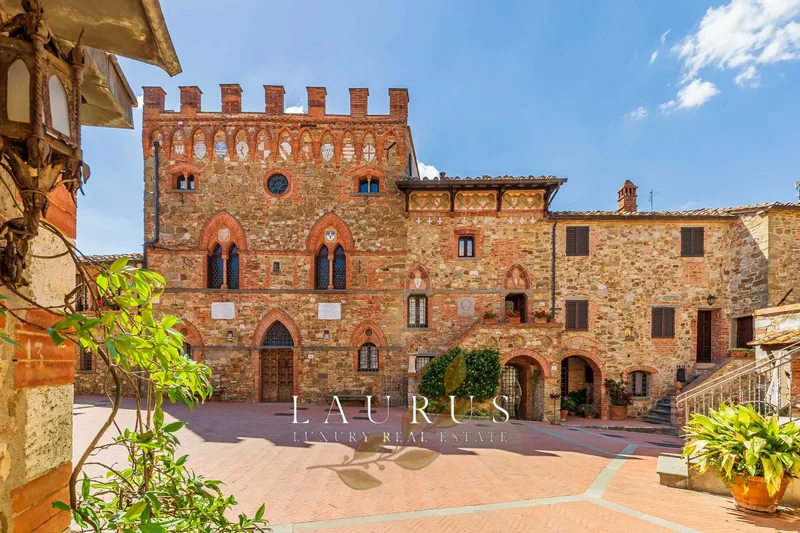
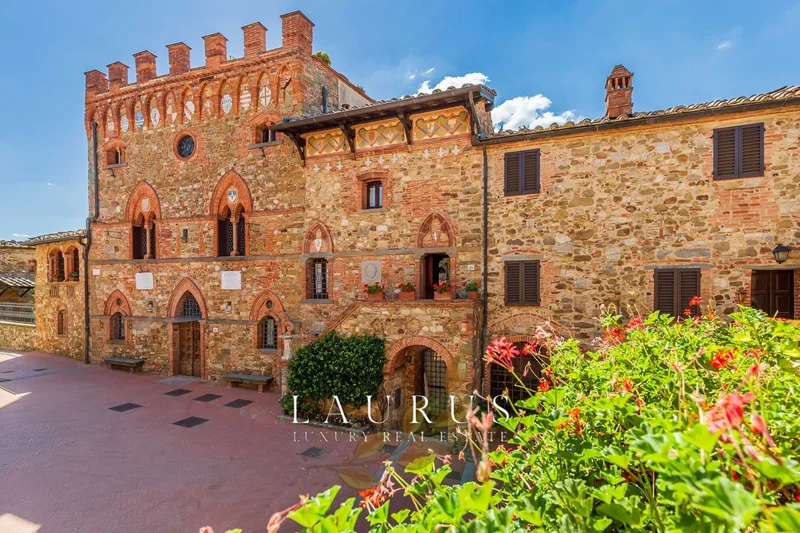
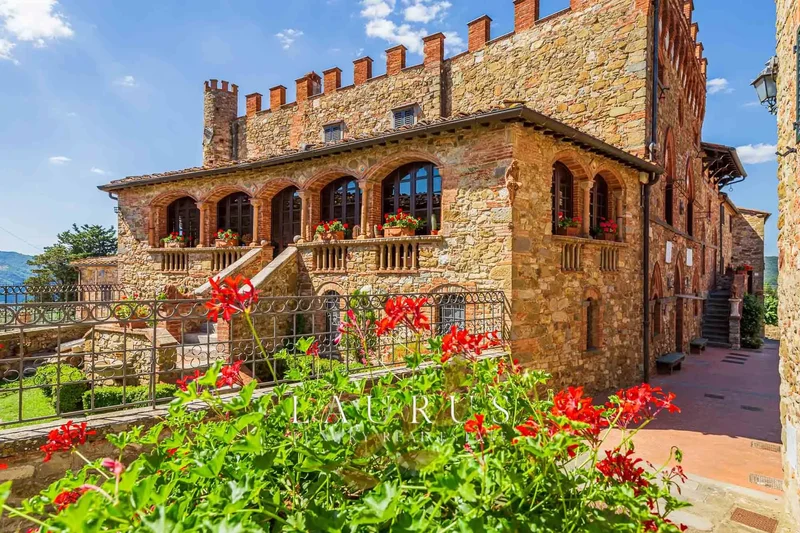
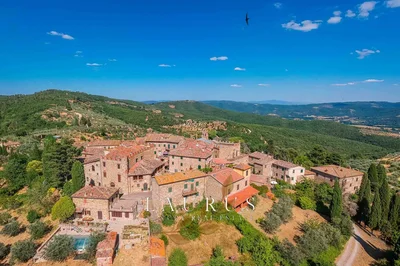
Castle in Chianti
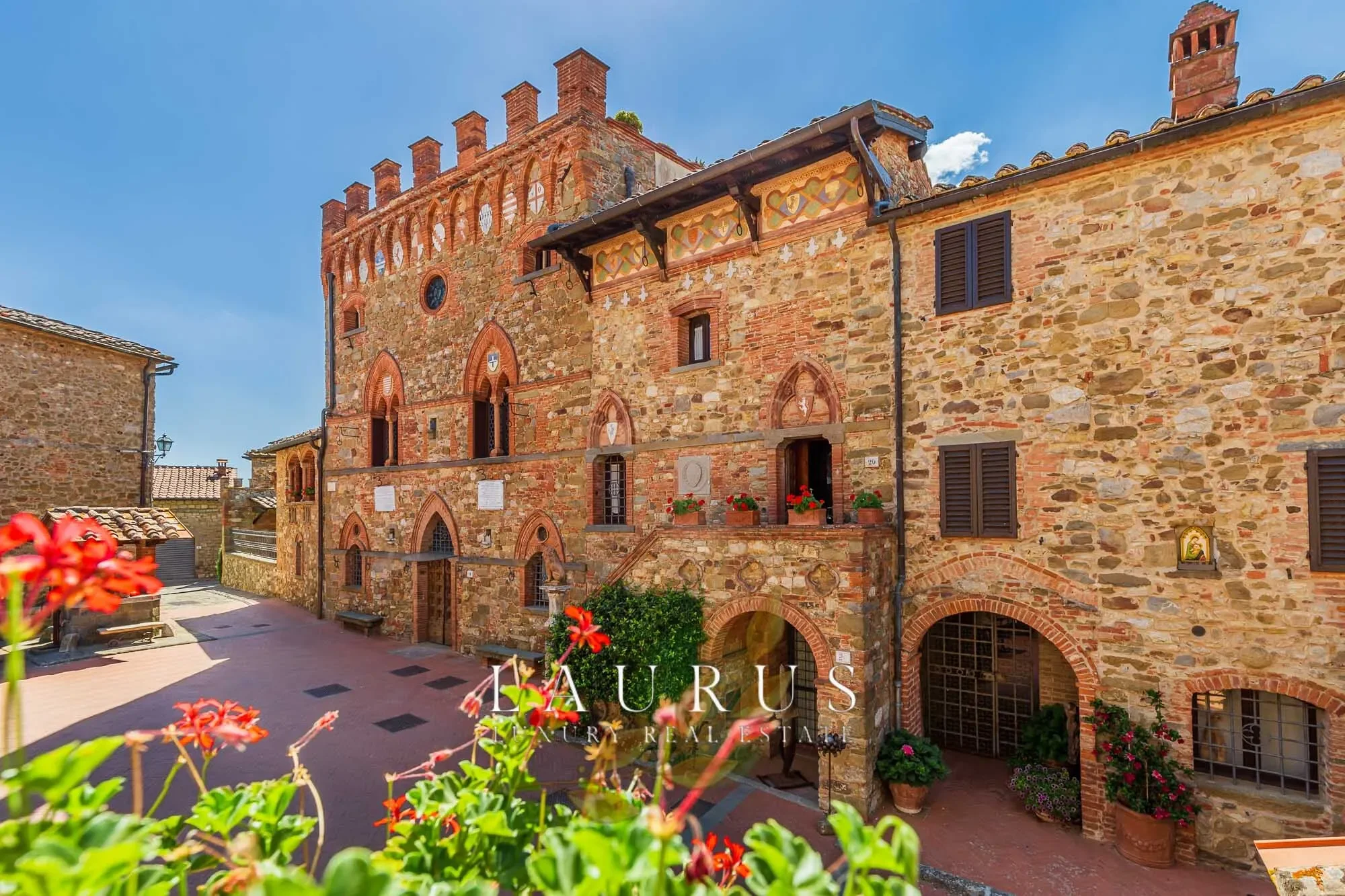
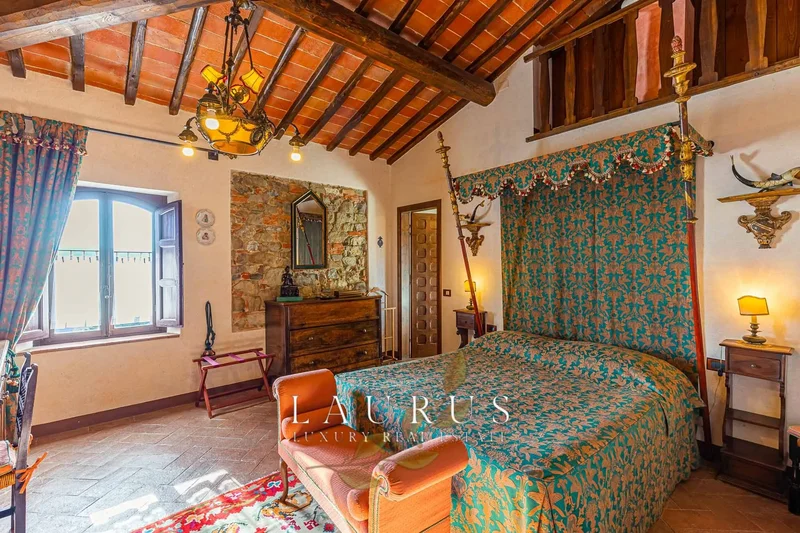
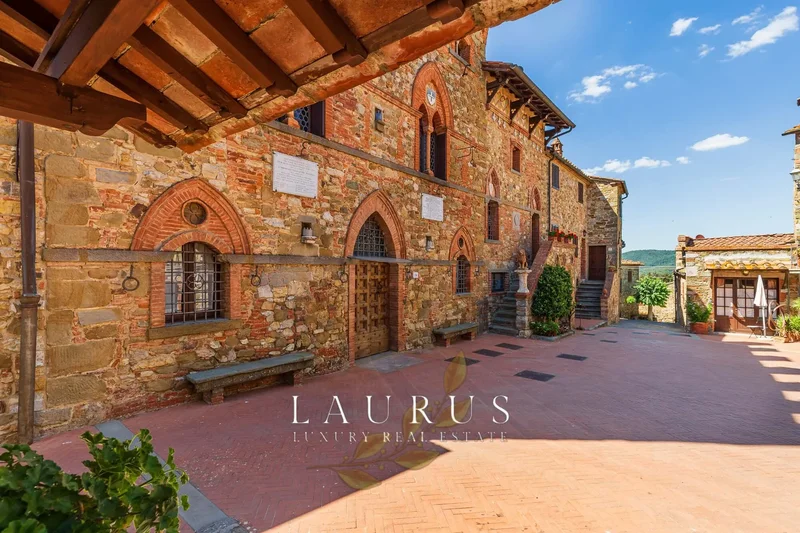
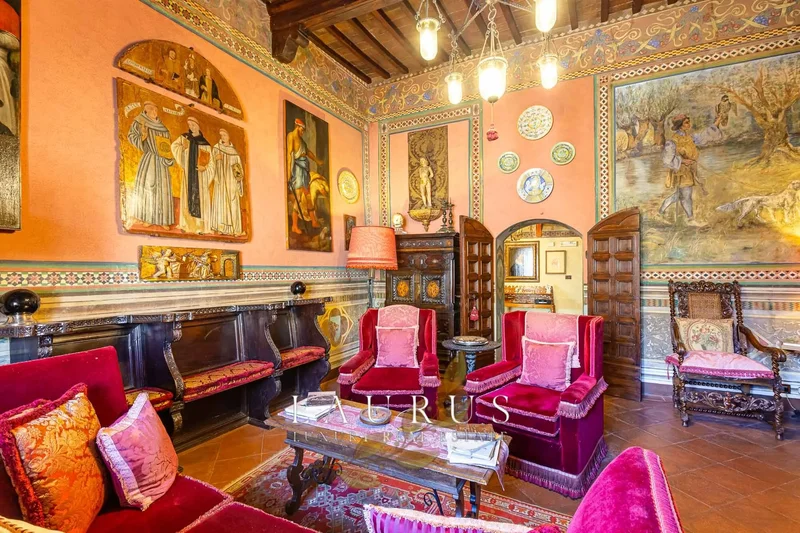
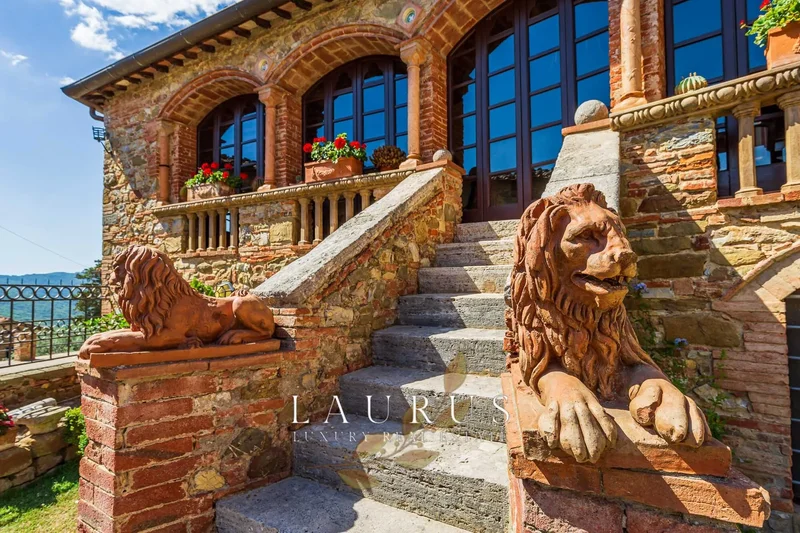
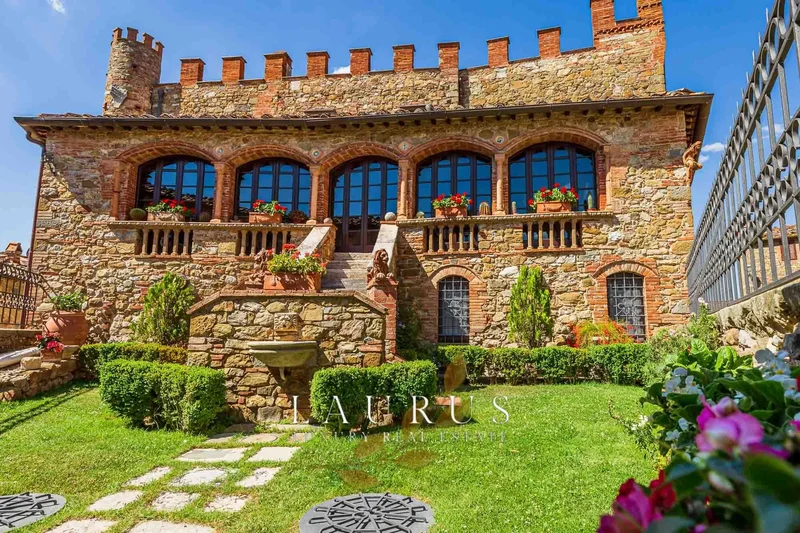
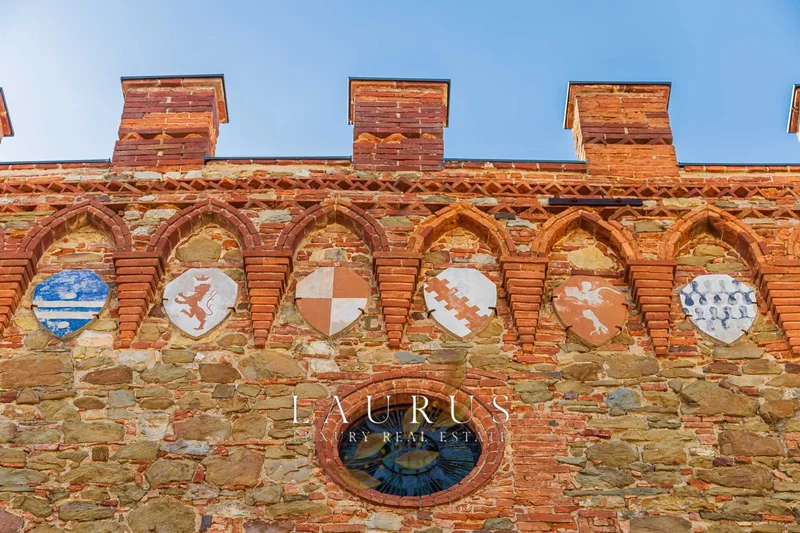
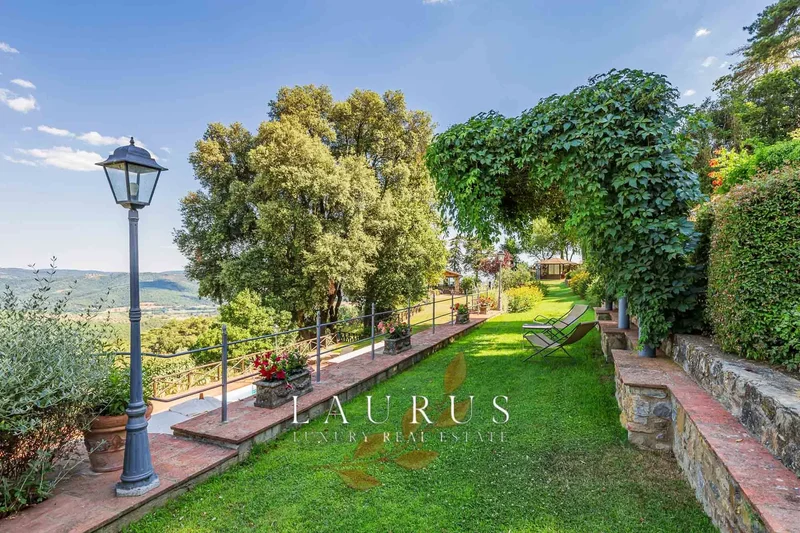
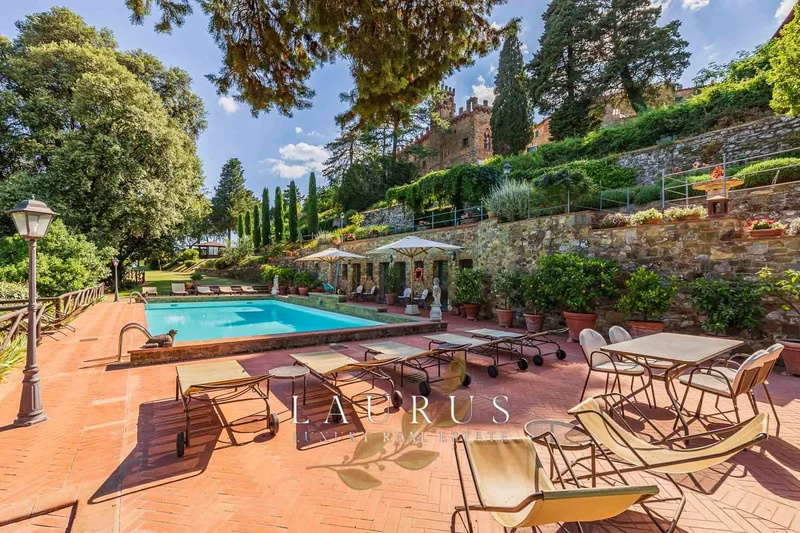
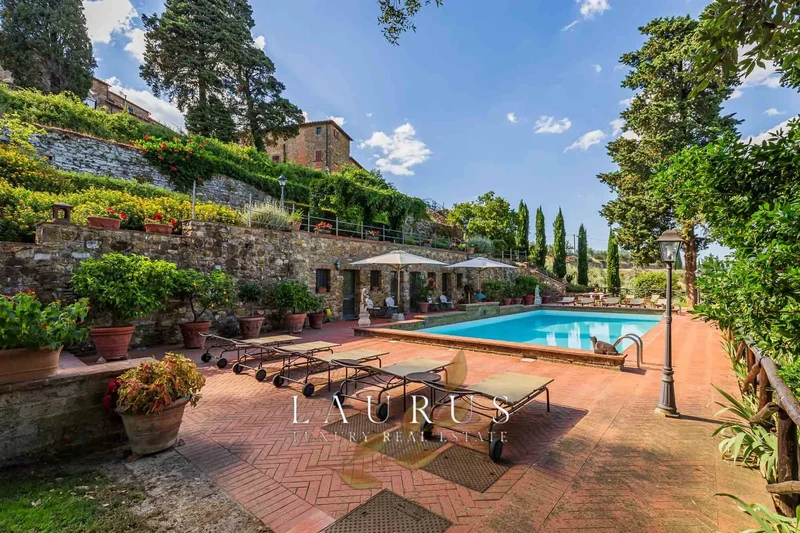
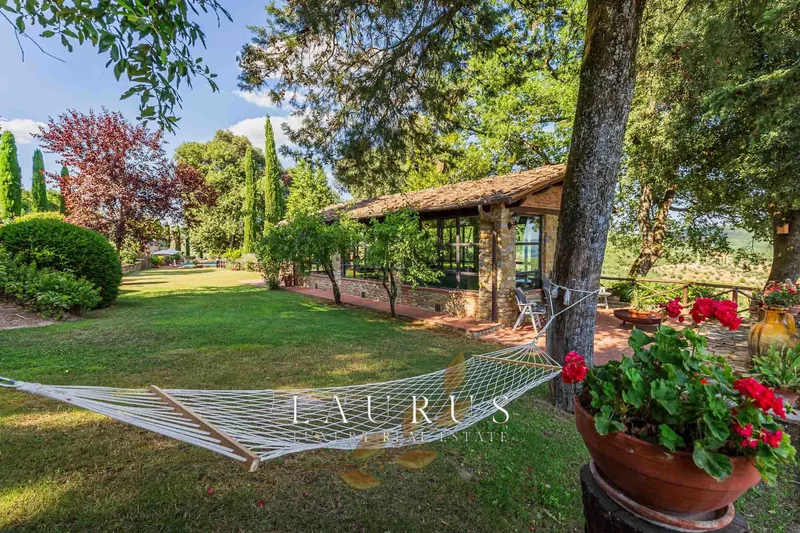
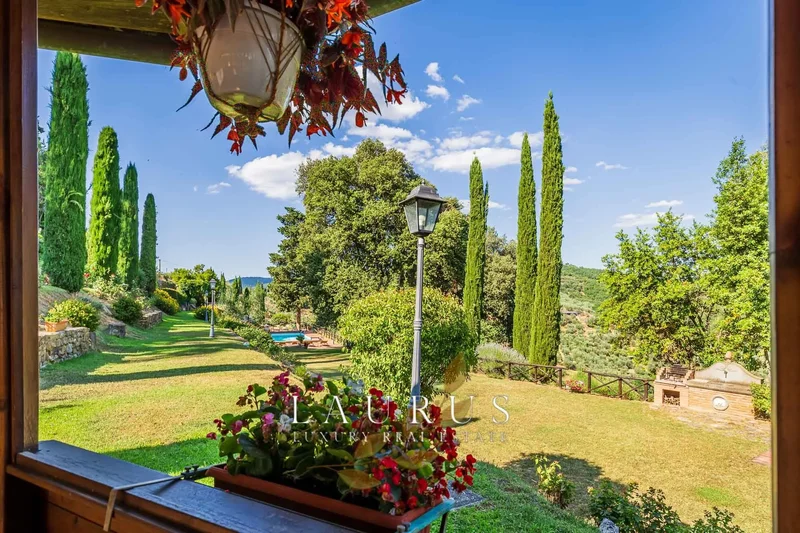
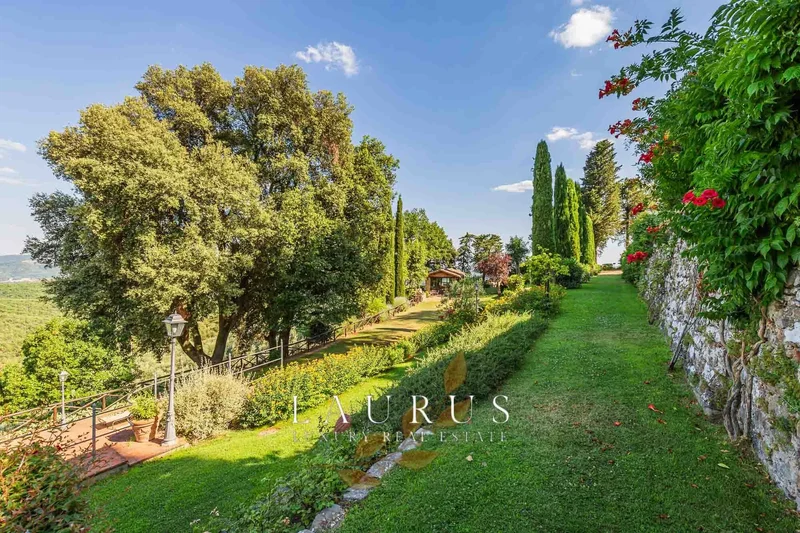
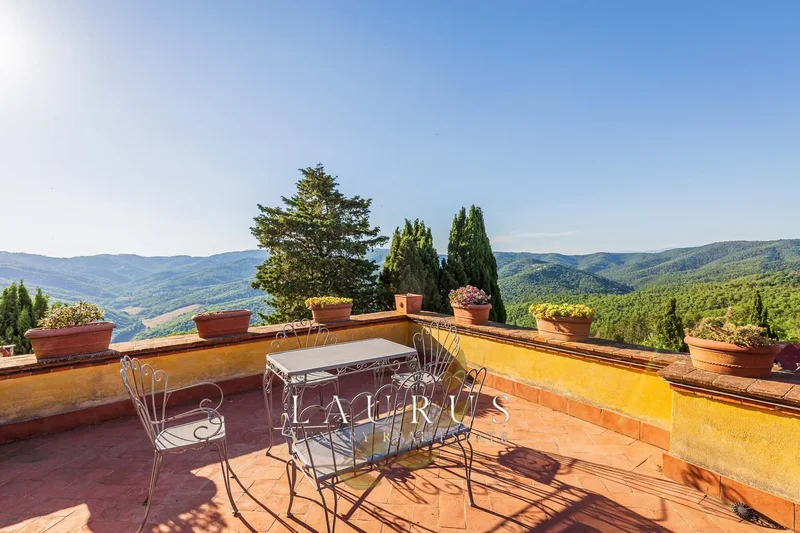
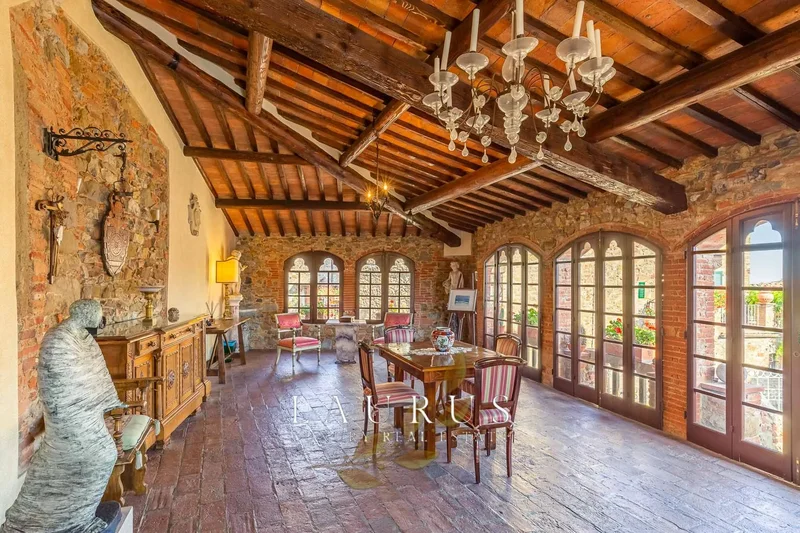
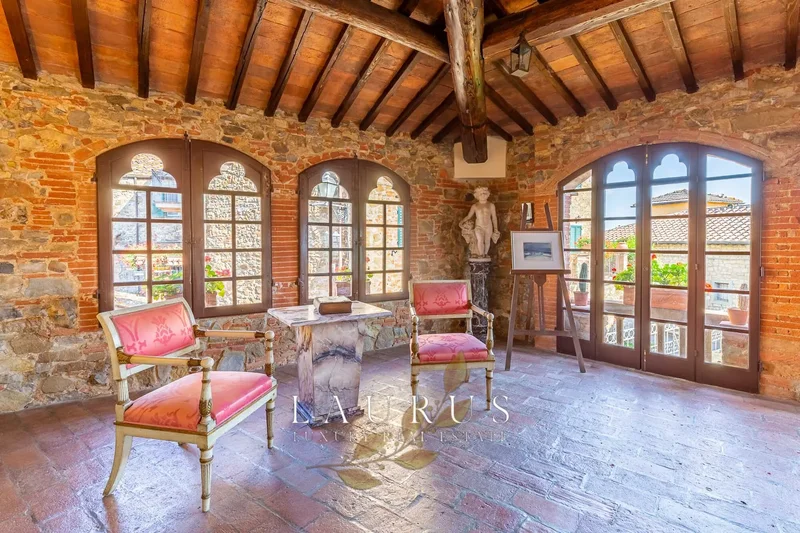
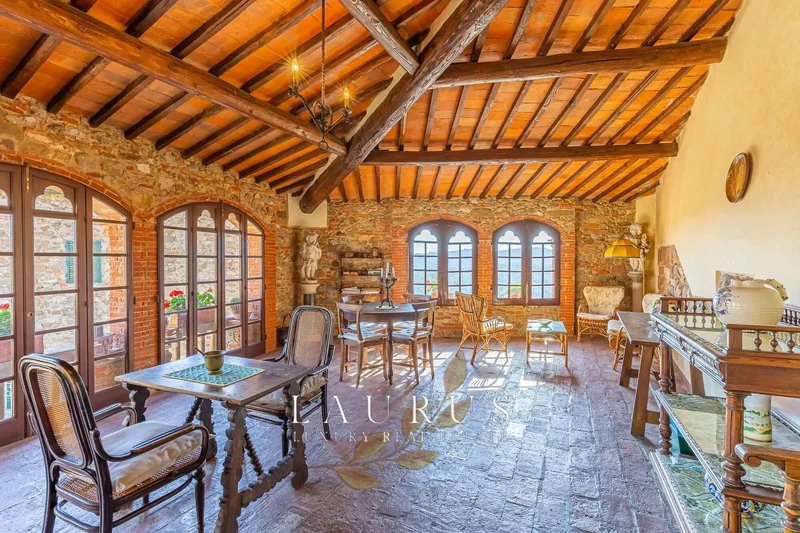
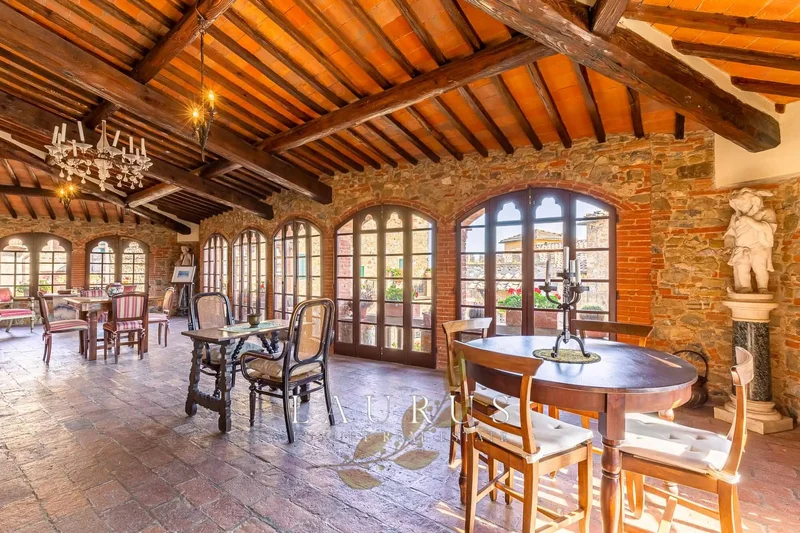
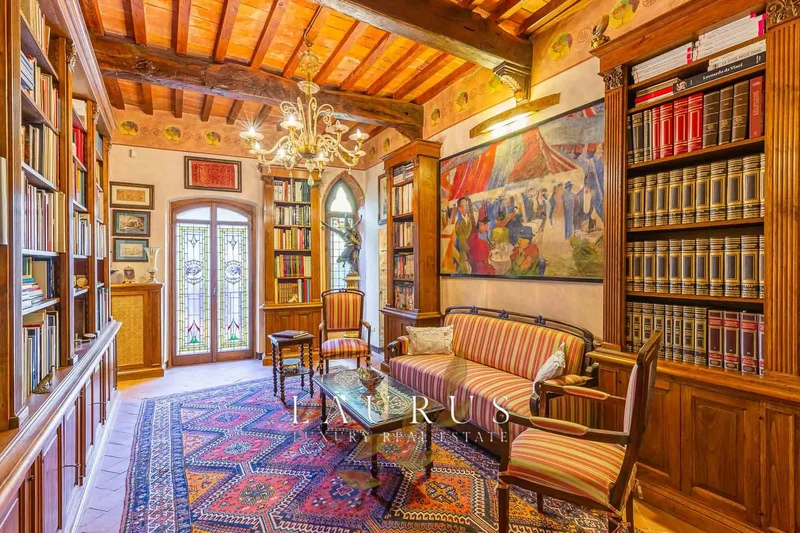
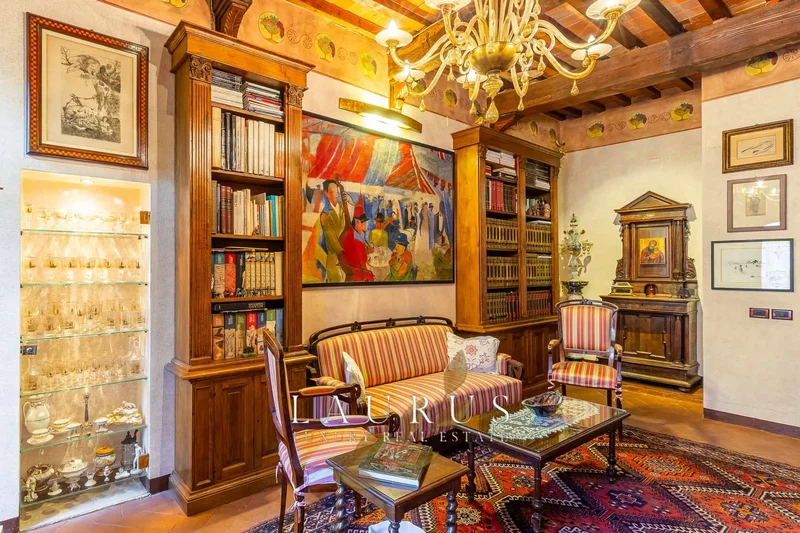
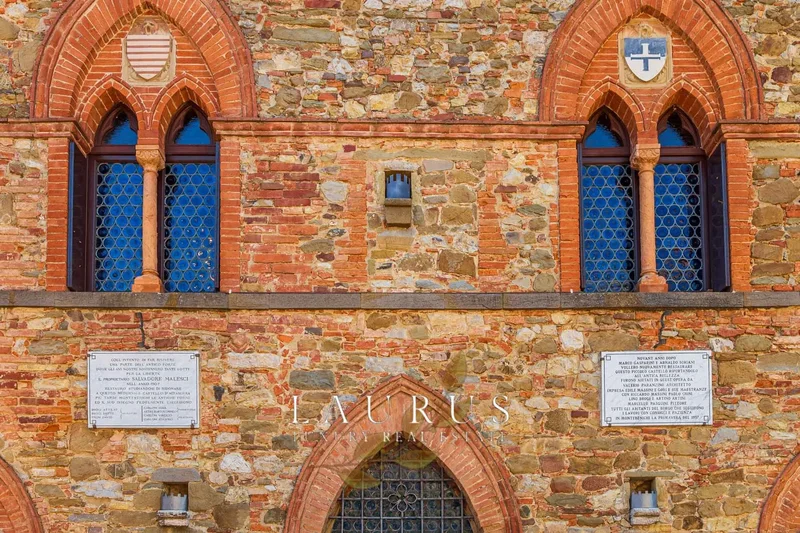
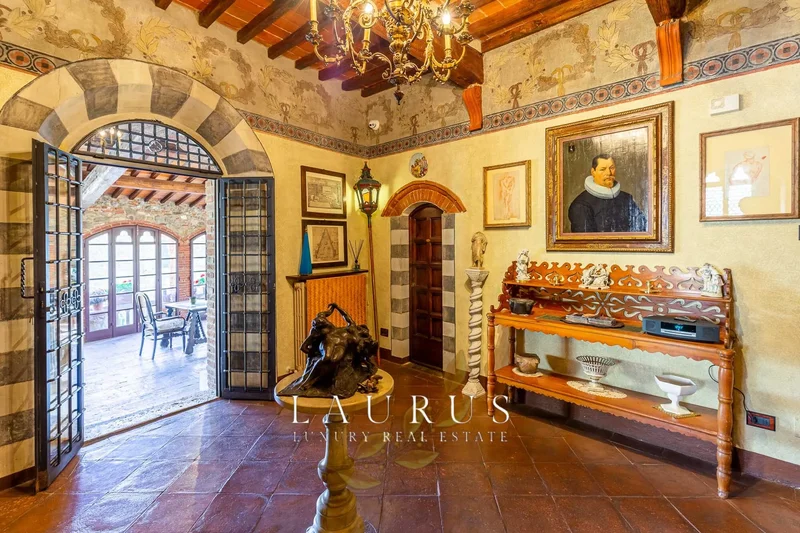
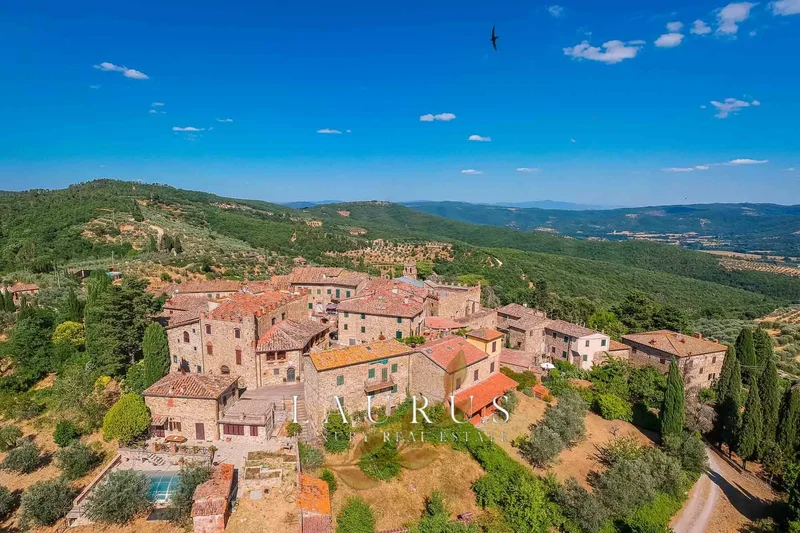
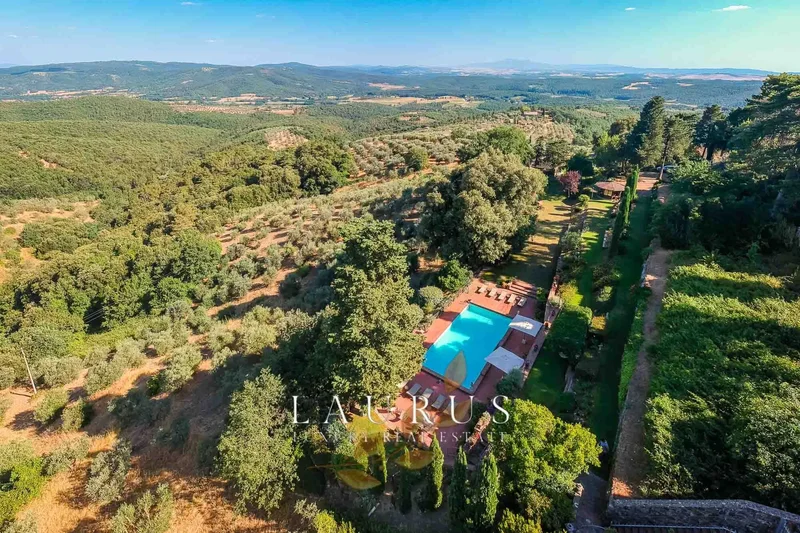
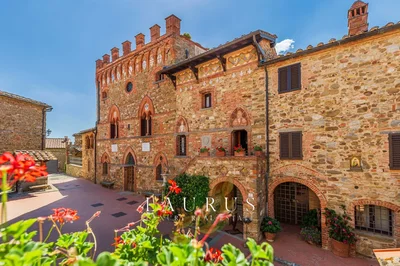
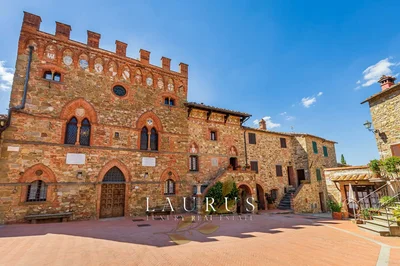
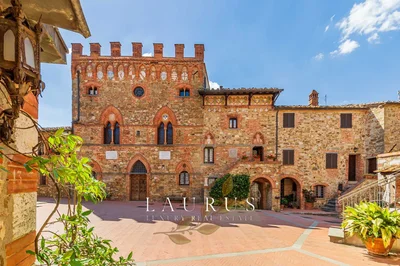
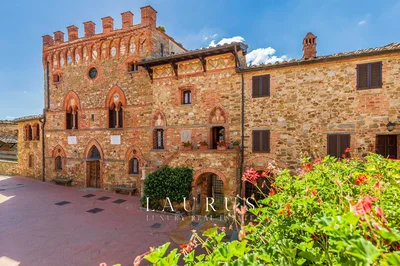
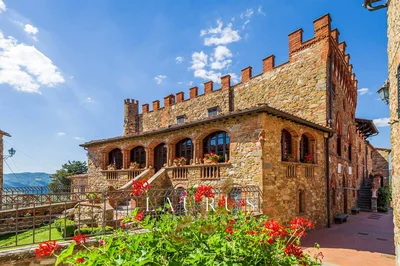
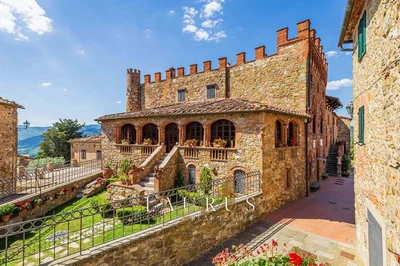
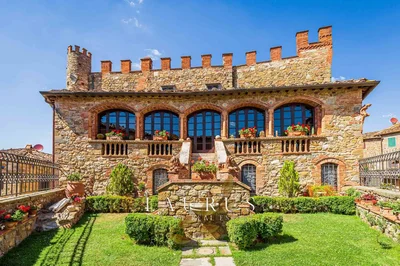
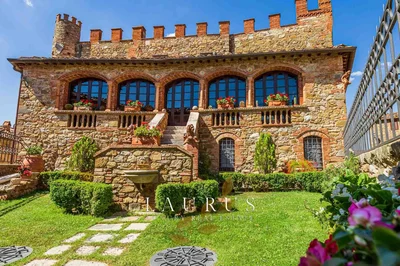
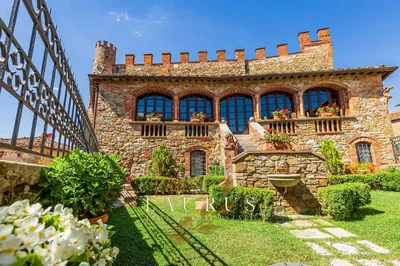
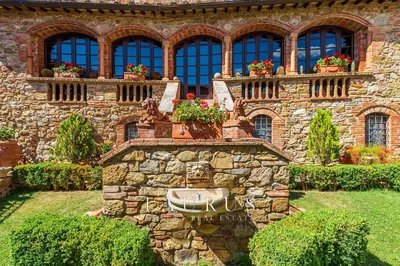
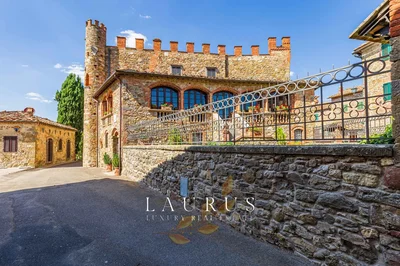
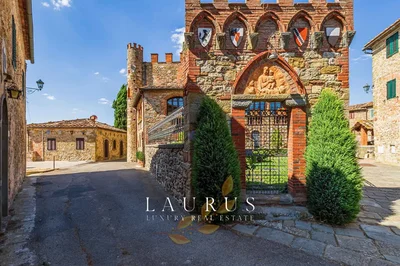
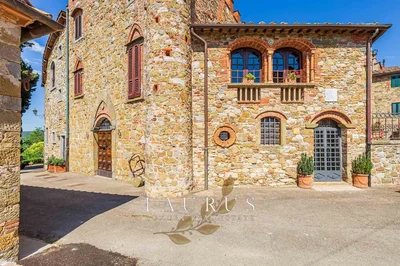
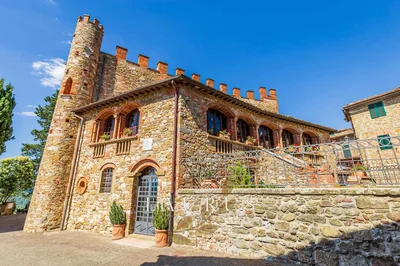
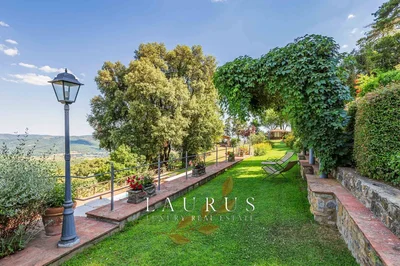
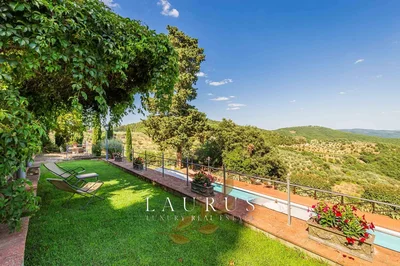
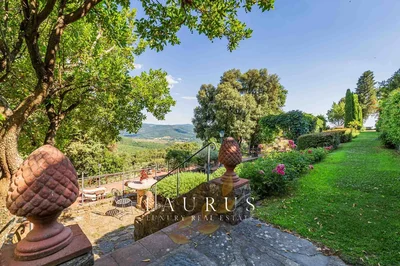
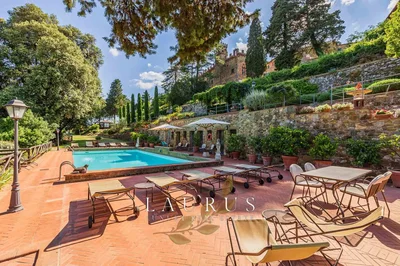
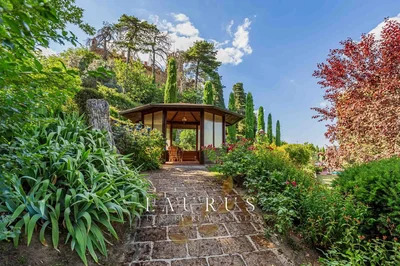
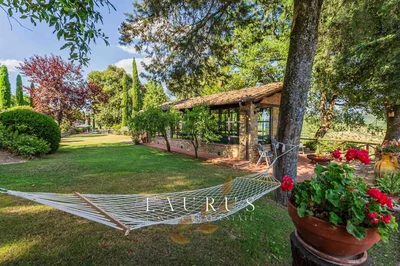
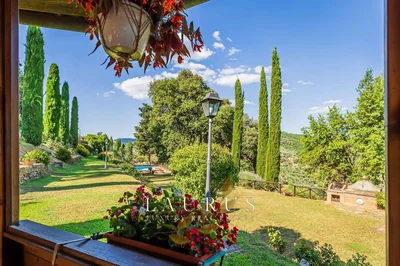
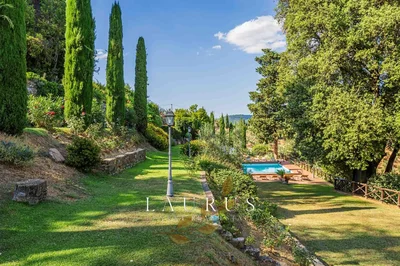
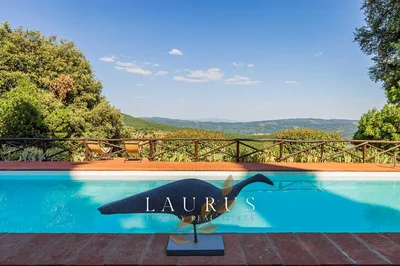
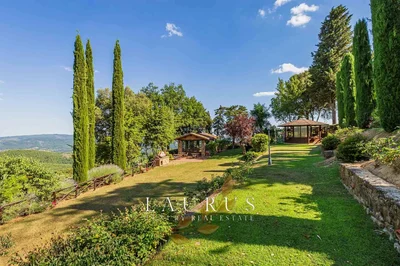
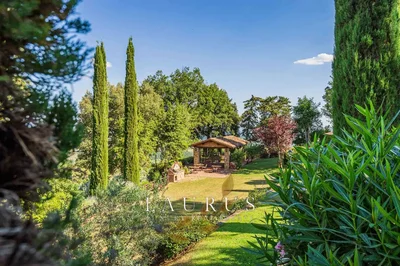
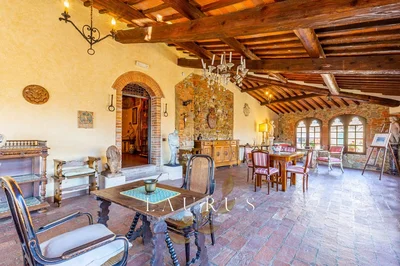
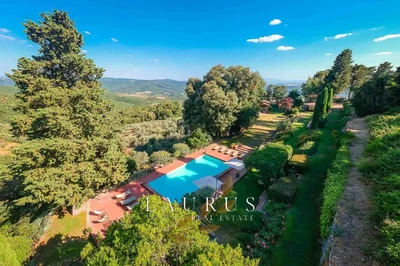
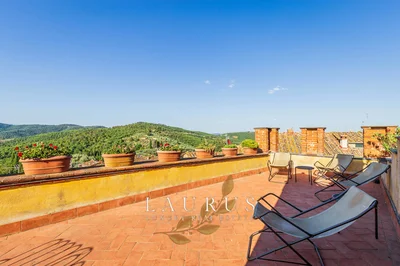
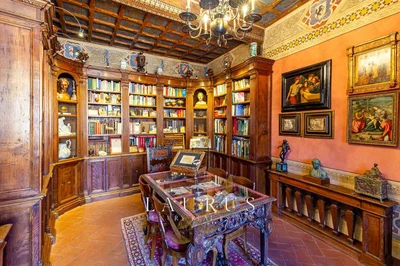
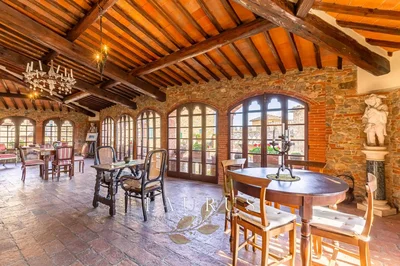
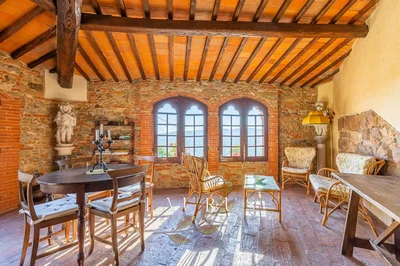
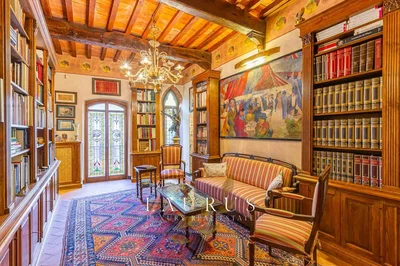
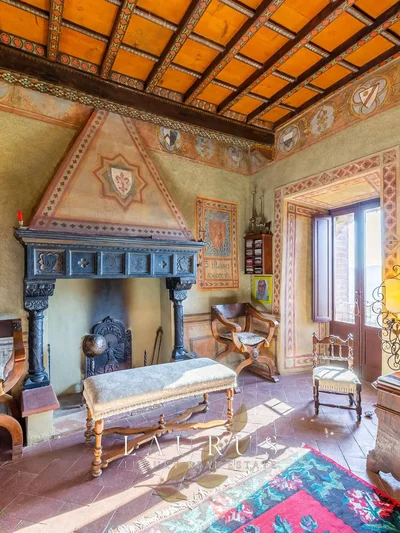
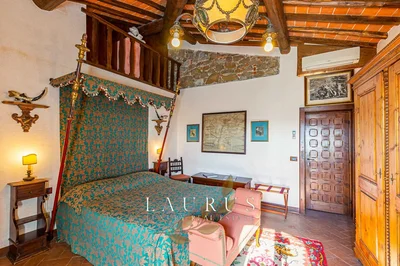
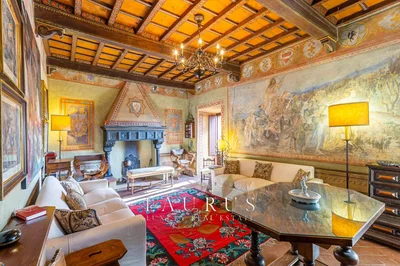
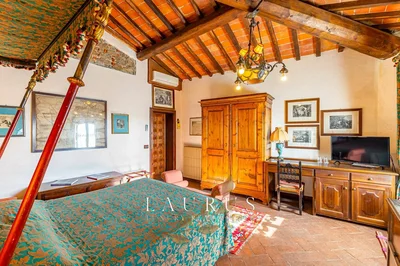
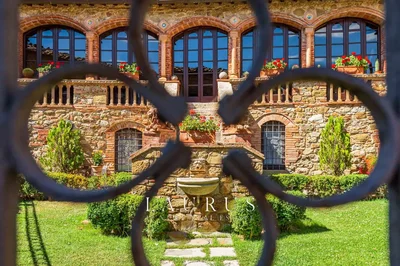
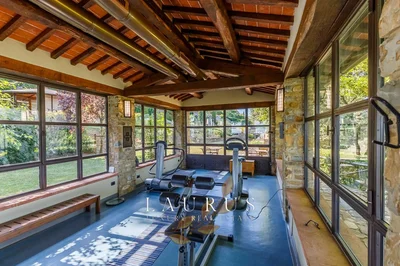
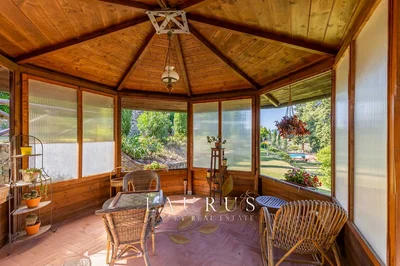
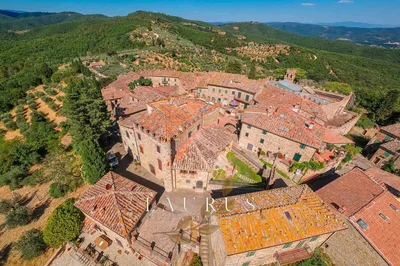
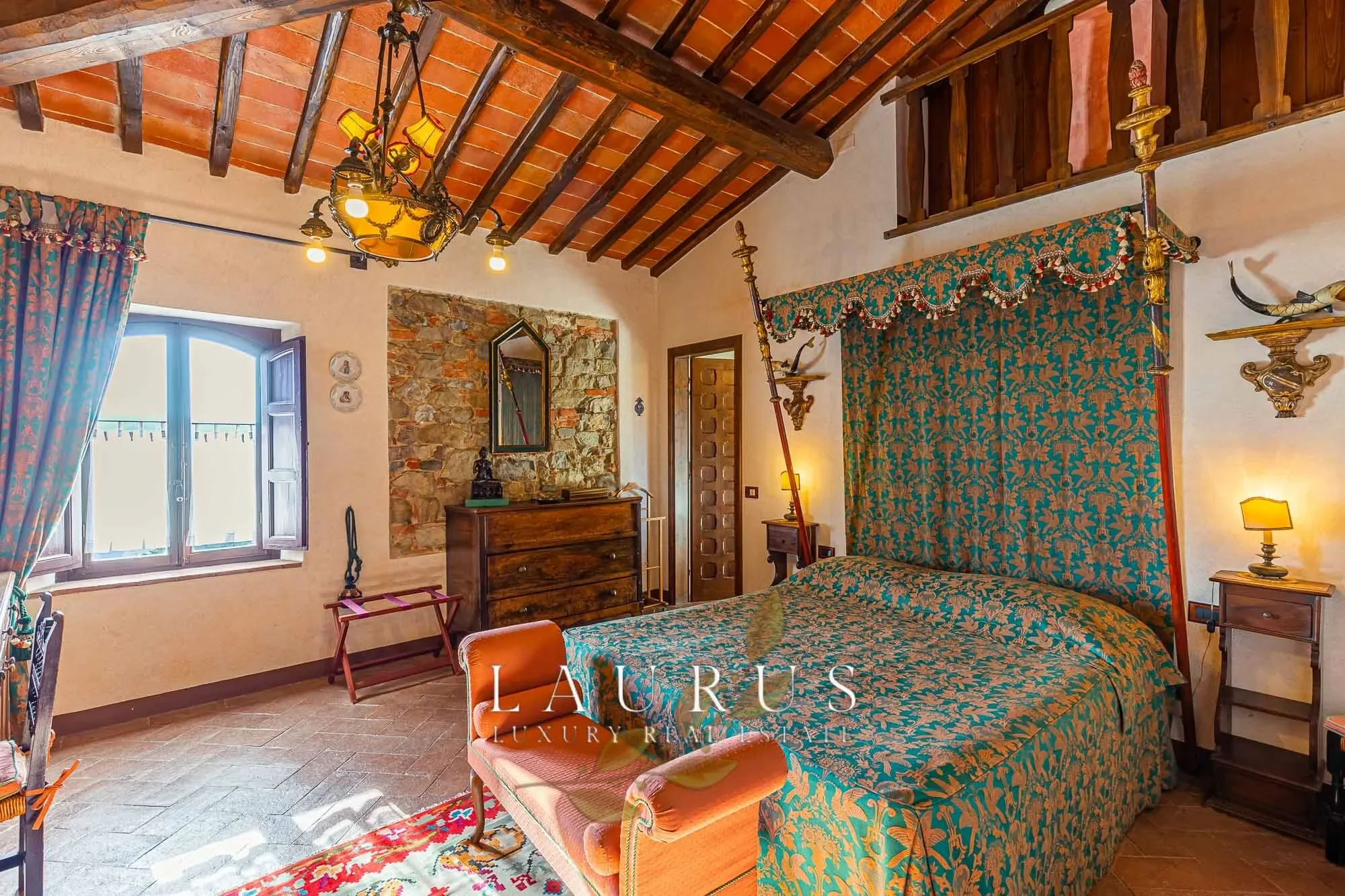
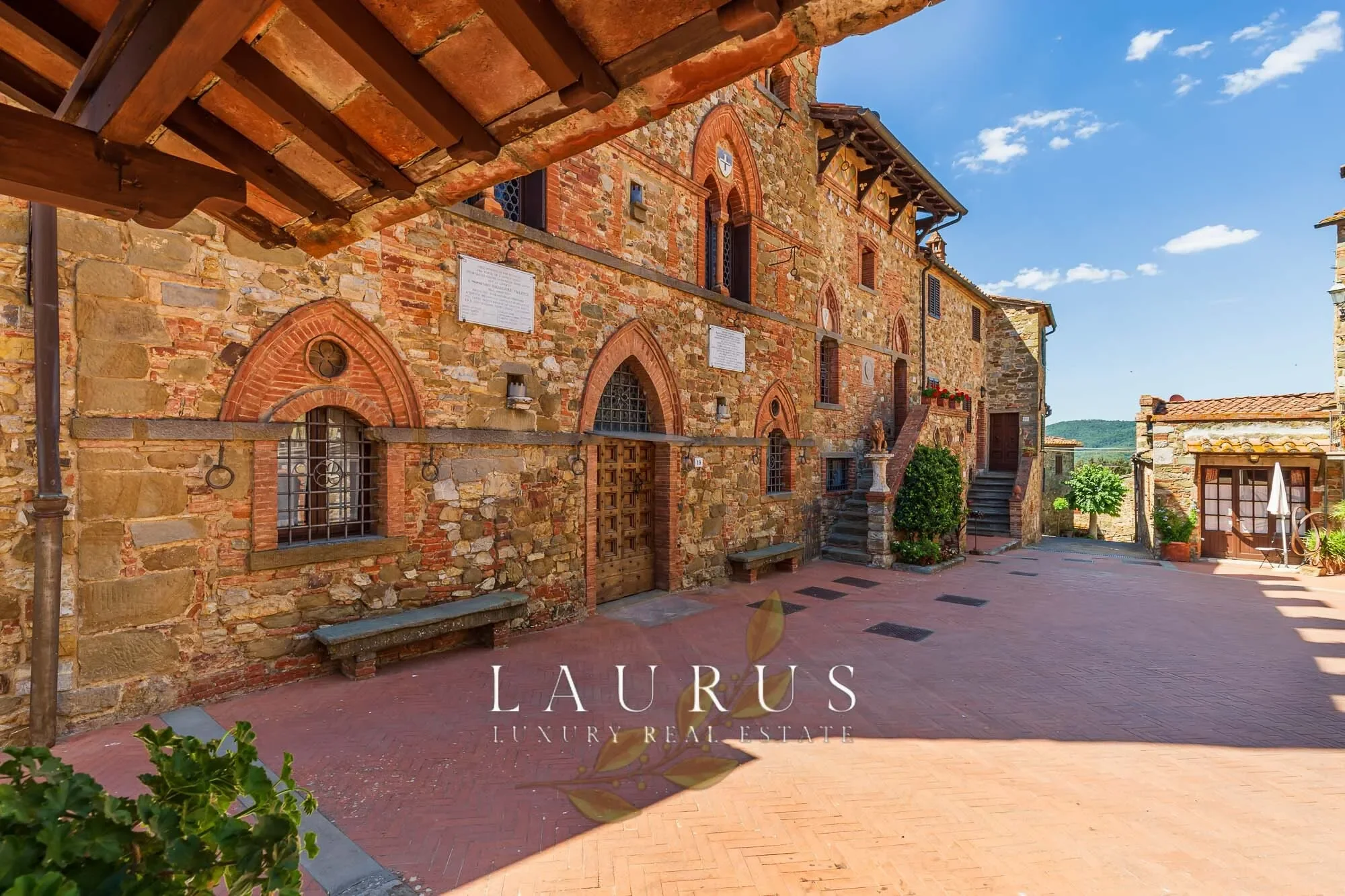
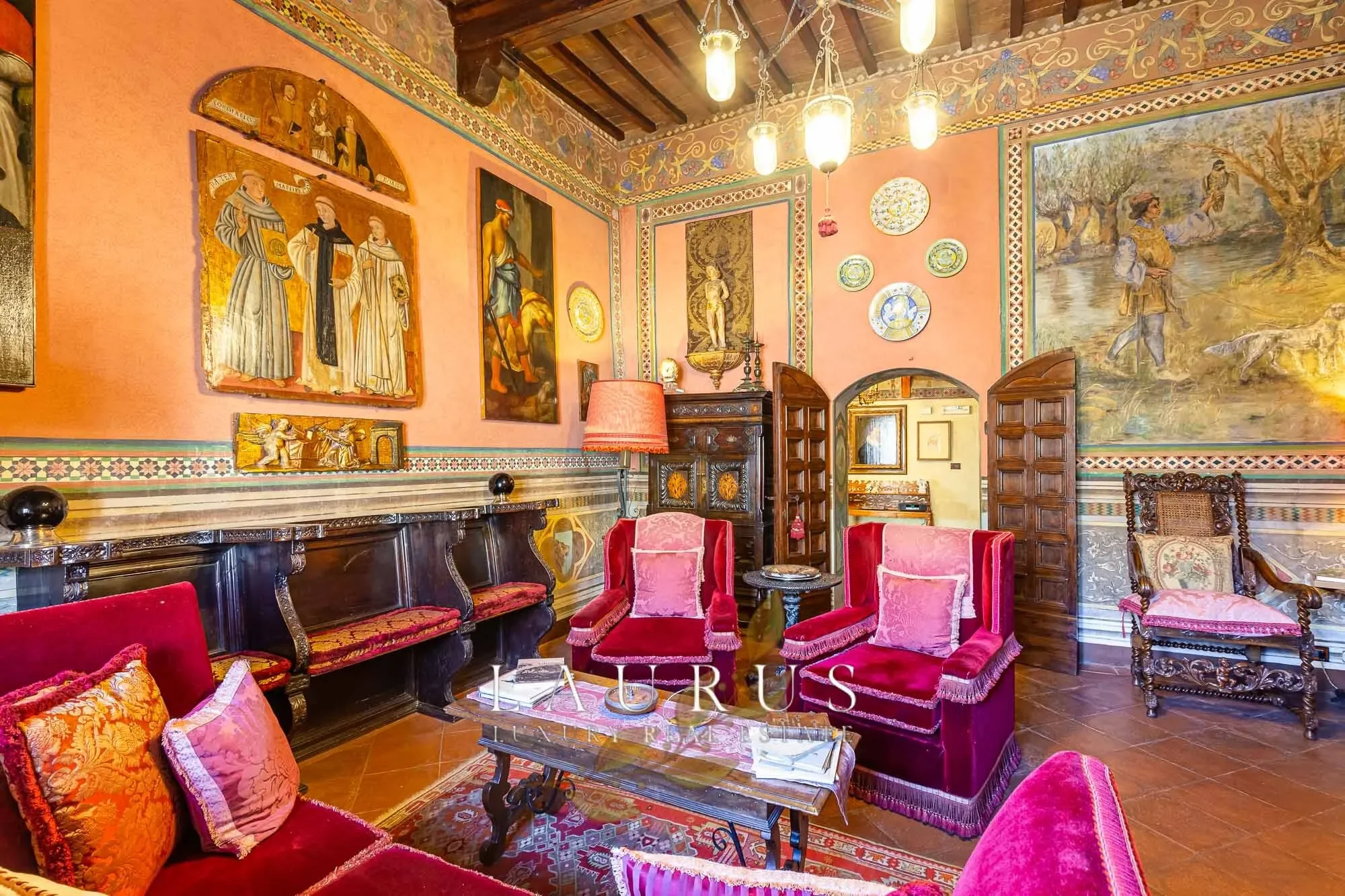
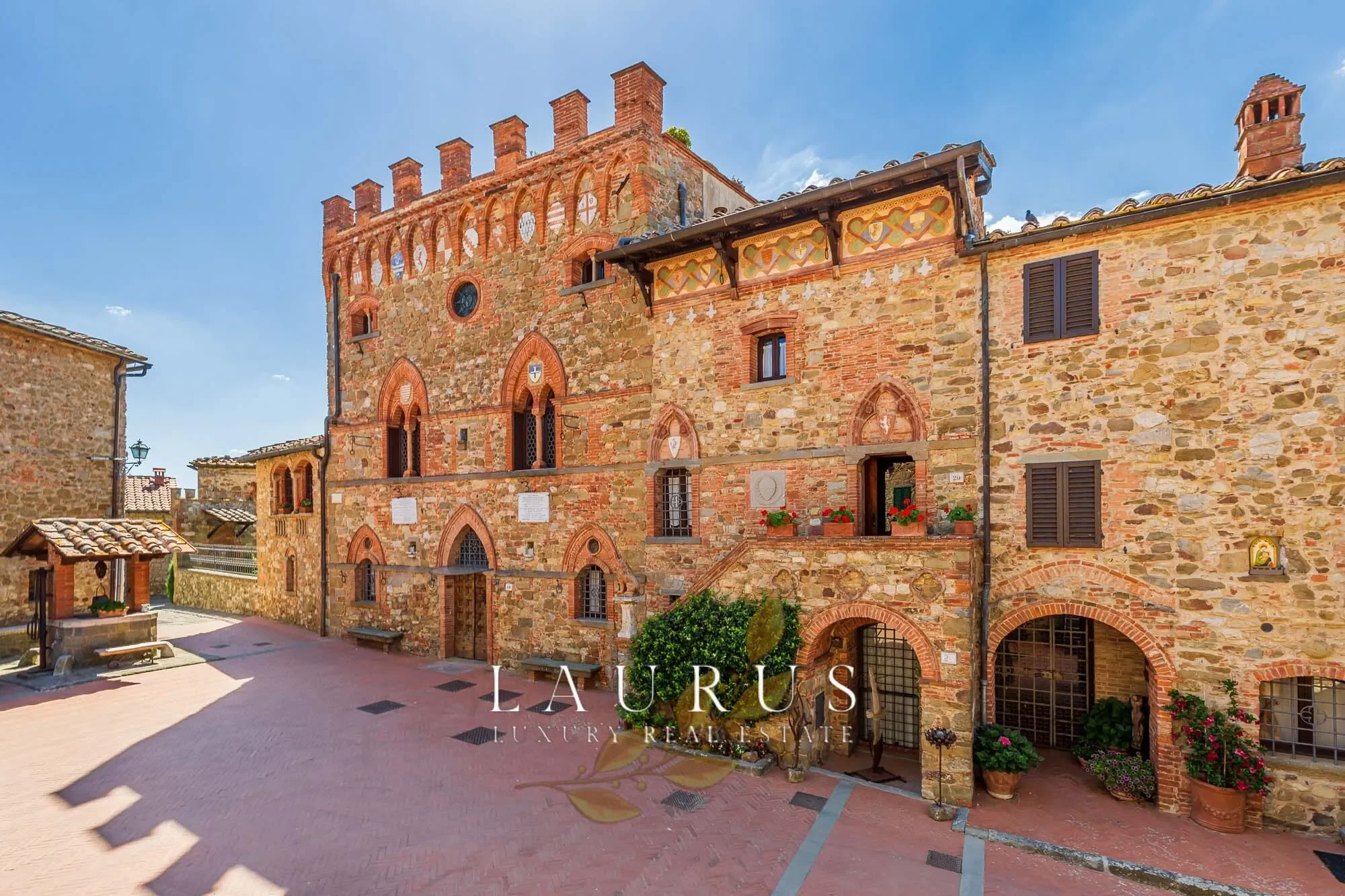
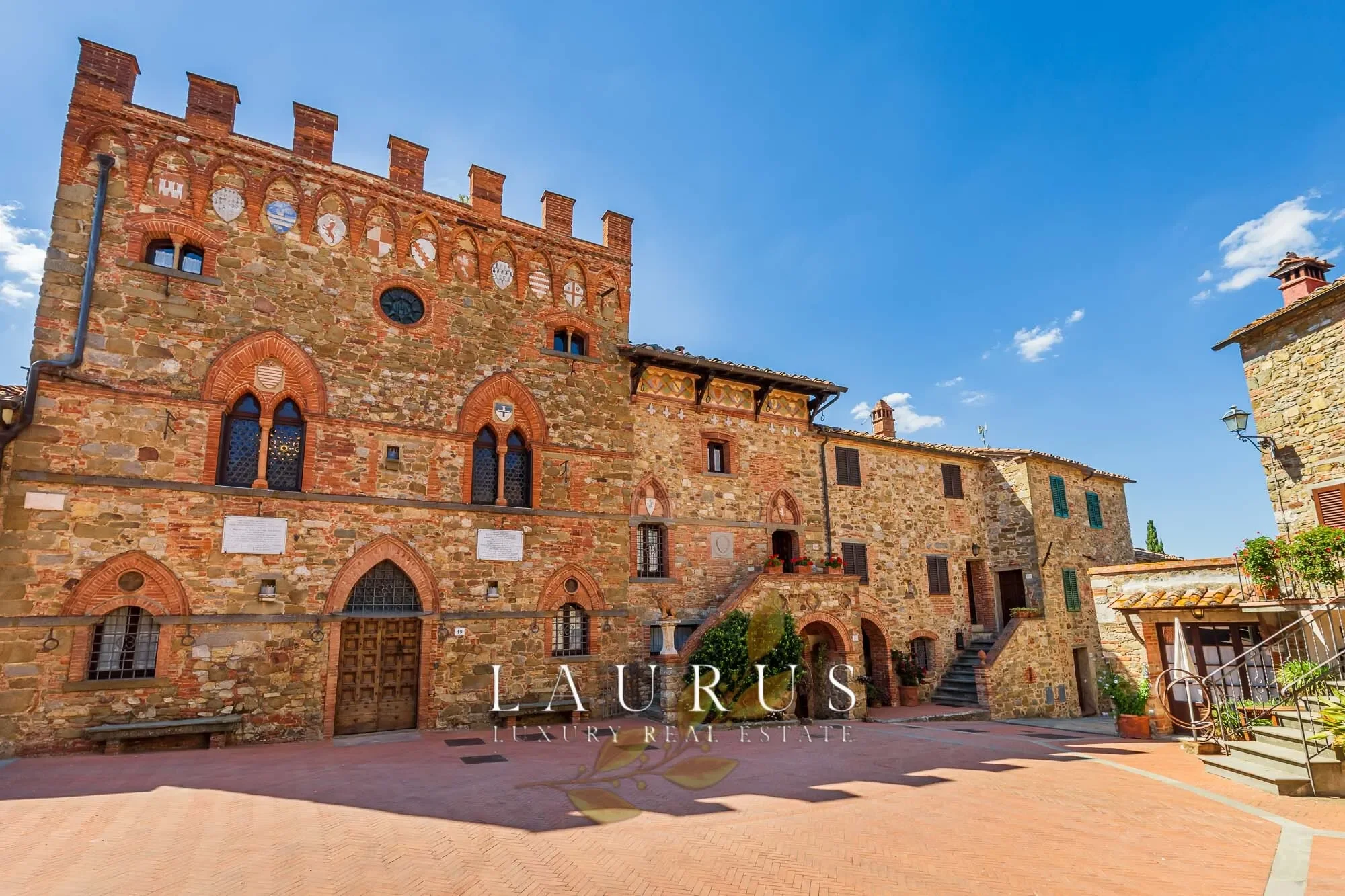
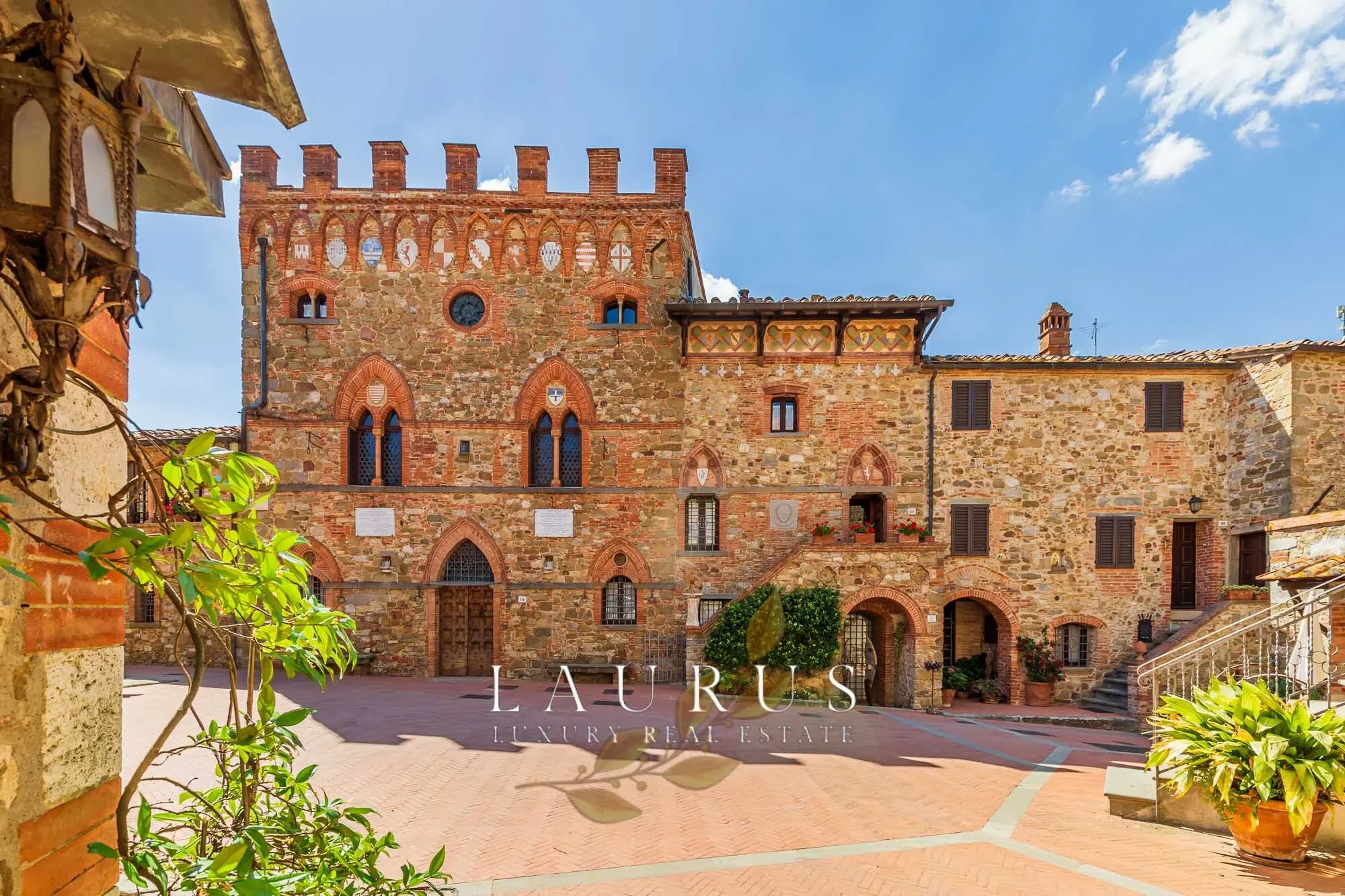
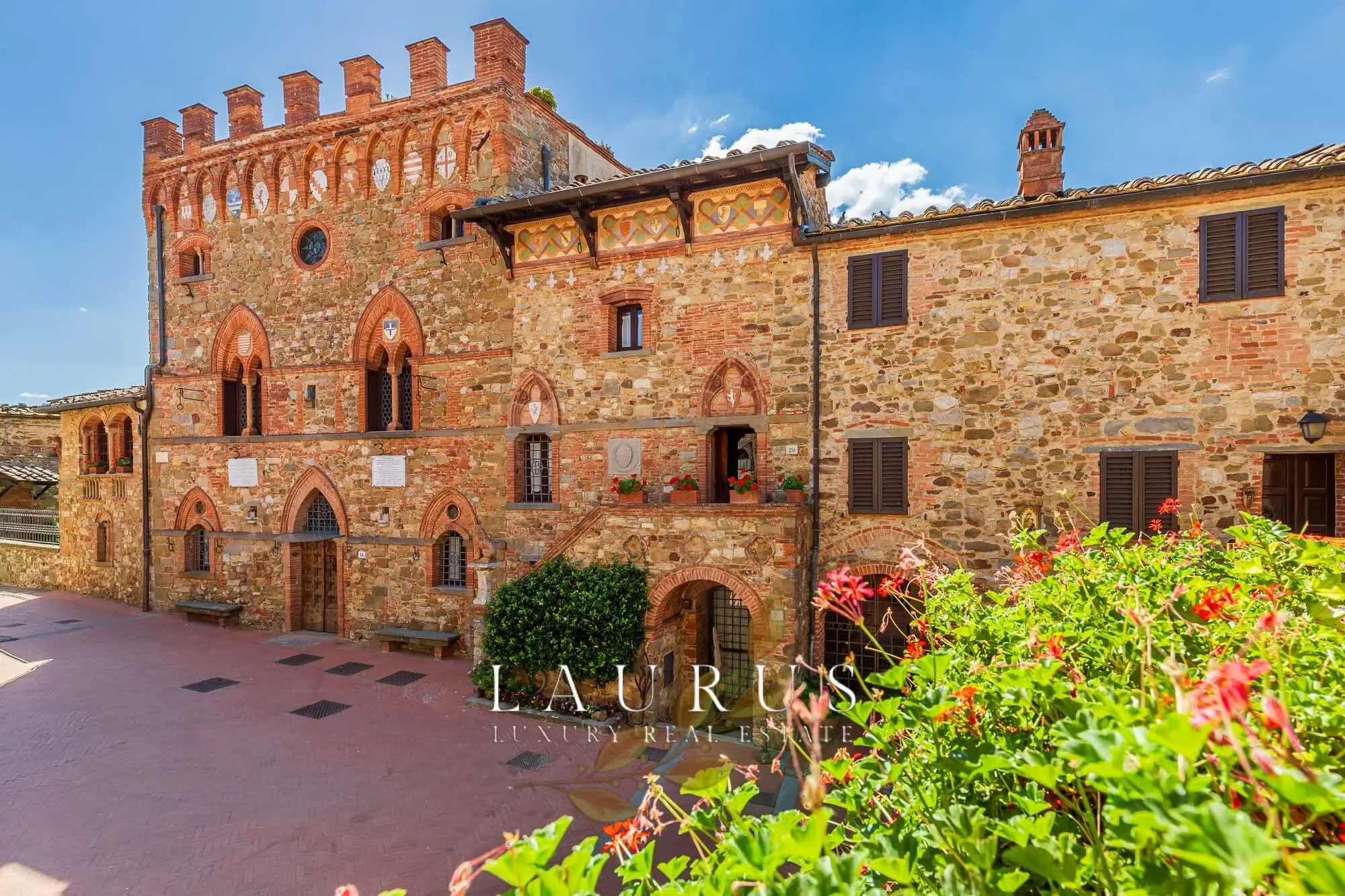
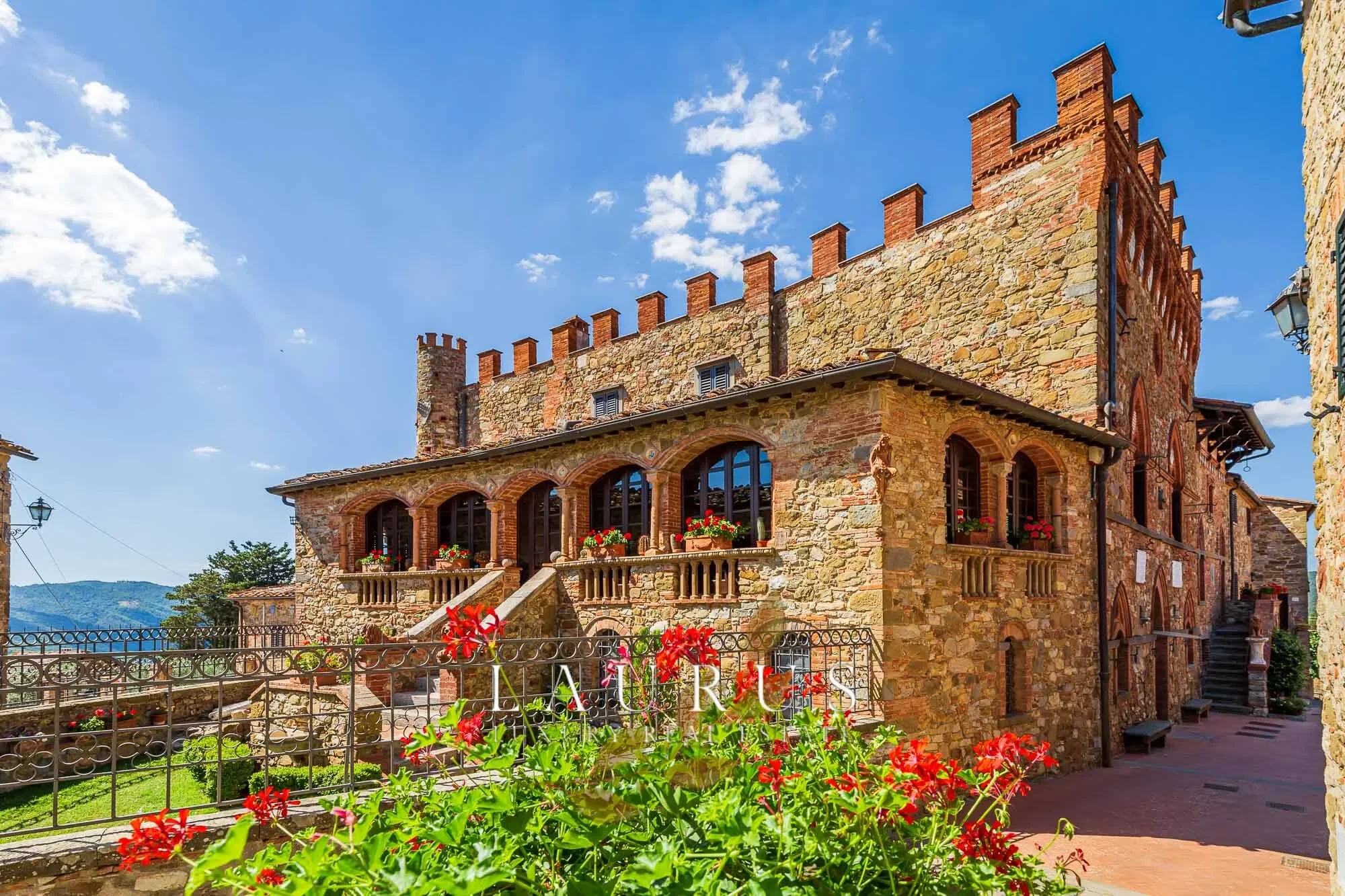
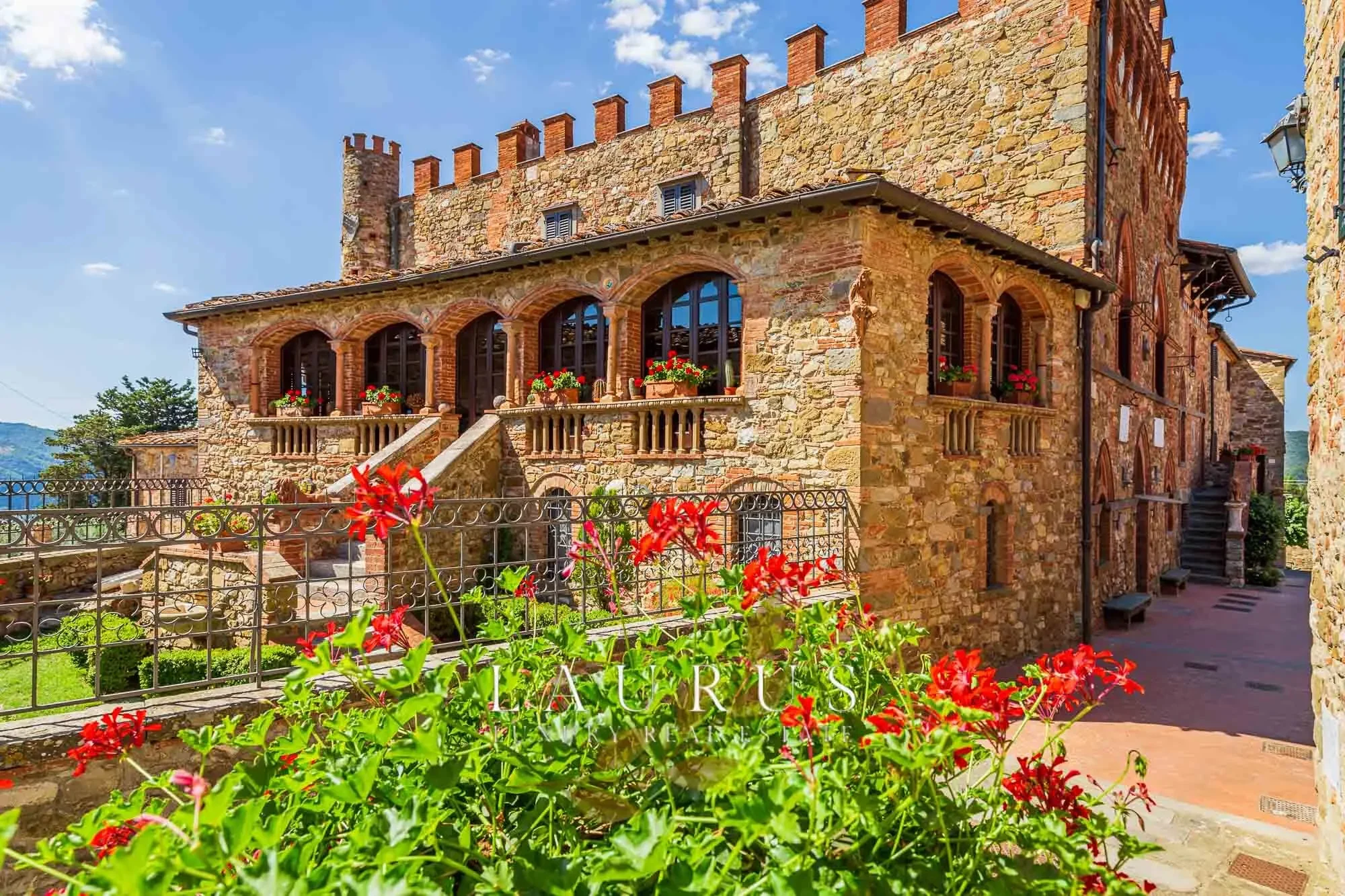
Built in the first half of the 12th century, it has an internal surface area of approximately 1000 m2. From the terrace at the top of the castle, you can admire the view of the Tuscan hills, the villages of Montepulciano, Montalcino, Cetona, and Monte Amiata. In the past, the castle was a fortress with defensive purposes, but around 1100 it was transformed into a small village. The latest restoration has added even more elegance to the interiors, introducing modern comforts and enhancing its prestige. The Castle maintains an esoteric and magical atmosphere, thanks to the many works of art housed inside, all of which are also for sale along with the property: among these, we can admire a collection of Corinthian, Greek, medieval, and Egyptian vases, Flemish paintings, a drawing by Pontormo, compendium ceramics from the 1500s, some Elizabethan furniture, a recently restored altarpiece from 1440, Caravaggist paintings, ancient manuscripts, Renaissance cameos, 19th-century putti, Etruscan jewelry, 17th-century majolica, Venetian candlesticks, Murano services, and also a drawing by Dalì and one by Goethe, along with many other works of art and small objects. This prestigious property still maintains an intimate and familial appearance, especially in its rooms; among the most iconic are the Scorpion Chamber and the Rose Chamber. The exteriors of the property extend over 2 hectares, boasting an olive grove with 154 olive trees and a 4000 m2 garden with a swimming pool. We also find changing rooms attached to the swimming pool area, a 70 m2 gym renovated in 2005, a laundry area, and 12 parking spaces. The Castle operated as a hotel until 2017 and was awarded as one of the 10 most beautiful hotels within a Castle, being the only Italian structure included in the list. Additionally, three small apartments, also renovated, measuring approximately 40-50 m2 each, are part of the luxurious accommodation facility.
Gallery


Frequently Asked Questions
Common questions about this property
This property offers 108 square feet of living space.
This property is listed at $610,844,800, which equals $5655970 per square foot.
Based on current market indicators, Montepulciano shows an active market. The market opportunity score is 65 out of 100, reflecting factors like price trends, inventory levels, and days on market.
This is a house located in Montepulciano, Tuscany. The property is situated in an established neighborhood with convenient access to local amenities and services.
Book an Appointment
Get in touch with our team
More Listings
Explore more properties

For Sale
$22,307,583
6,459 sqft
Lindau, Bavaria, Germany.
Lindau, Bavaria

For Sale
$1,763,019
1,292 sqft
Asti, Piedmont, Italy.
Asti, Piedmont
For Sale
$646,440
2 bd
2 ba
1,292 sqft
Florence, Tuscany, Italy.
Florence, Tuscany

For Sale
$6,578,329
14 bd
16 ba
5,382 sqft
Florence, Tuscany, Italy.
Florence, Tuscany

For Sale
$23,494,032
862 sqft
Montespertoli, Tuscany, Italy.
Montespertoli, Tuscany

For Sale
$7,048,209
10 bd
5 ba
517 sqft
Catanzino, Lombardy, Italy.
Catanzino, Lombardy
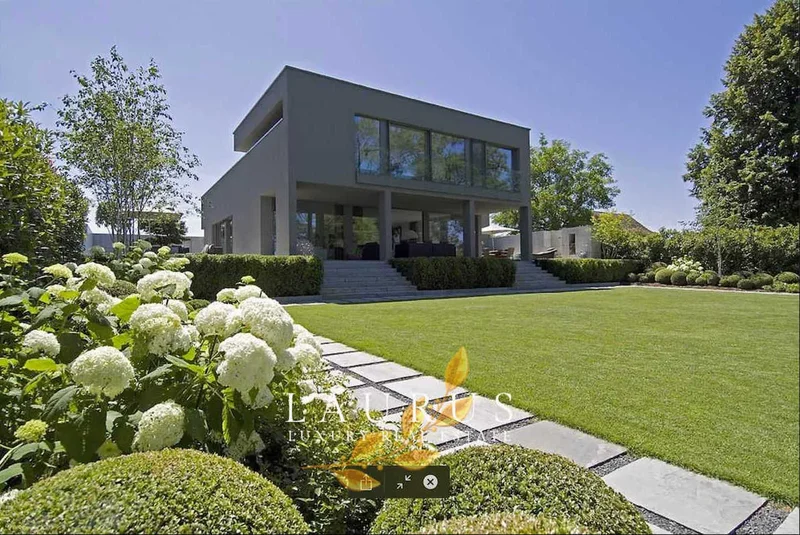
For Sale
$17,033,173
2,691 sqft
Münsterlingen, Thurgau, Switzerland.
Münsterlingen, Thurgau

For Sale
$21,497,085
3,230 sqft
Bottighofen, Thurgau, Switzerland.
Bottighofen, Thurgau

For Sale
$4,113,712
10 bd
10 ba
108 sqft
Greve in Chianti, Tuscany, Italy.
Greve in Chianti, Tuscany

For Sale
$21,144,629
1,992 sqft
Milan, Lombardy, Italy.
Milan, Lombardy

For Sale
$29,367,540
8 bd
10 ba
6,997 sqft
Olbia, Sardinia, Italy.
Olbia, Sardinia

For Sale
$7,052,078
4 bd
3 ba
5,382 sqft
Milan, Lombardy, Italy.
Milan, Lombardy
Loading listings...